We go behind the scenes of the classic Buses film series, On the Buses (1971), Mutiny on the Buses (1972) and Holiday on the Buses (1973) with never before seen archive interviews with actors Reg Varney, Anna Karen, Stephen Lewis and Andria Lawrence, writers Ronald Chesney and Ronald Wolfe, production supervisor Roy Skeggs, and new contributions from Hammer Films runners Brian Reynolds and Phil Campbell, fan club organiser Steve Luxton and author Morris Bright MBE.
The On the Buses film trilogy of the early 1970s grew directly out of the huge popularity of the ITV sitcom On the Buses (1969–1973), translating its familiar characters and broad humour to the big screen. All three films starred the core television cast, most notably Reg Varney as bus driver Stan Butler, Bob Grant as his womanising conductor Jack Harper, and Stephen Lewis as their eternal nemesis, Inspector Blake.
The first film, On the Buses (1971), sees Stan and Jack panic when their bus company decides to employ female drivers, threatening their overtime and carefree lifestyle. Much of the plot revolves around their misguided attempts to sabotage the new recruits, while Stan’s long-suffering family life—his sister Olive (Anna Karen), brother‑in‑law Arthur (Michael Robbins), and formidable mother (Doris Hare)—provides parallel domestic comedy.
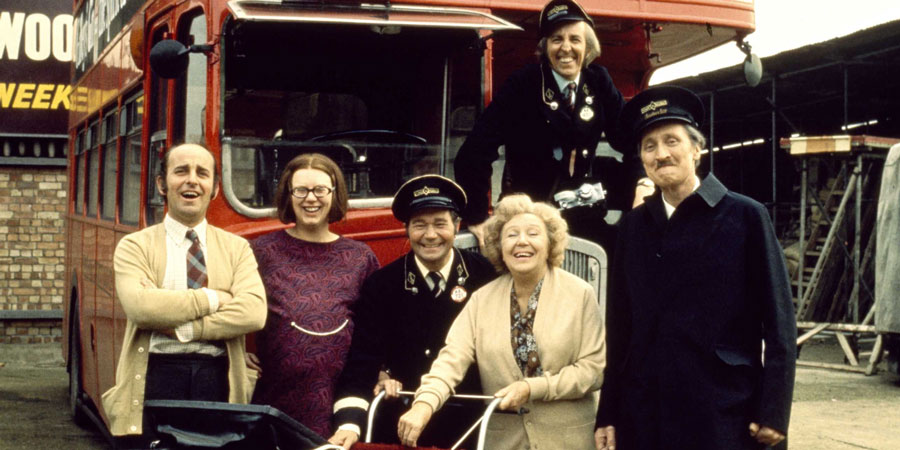
Mutiny on the Buses (1972) centres on bus driver Stan Butler, who plans to marry clippie Susy, alarming his family when he becomes their main breadwinner after Arthur loses his job. At the depot, a new manager introduces stricter rules and radio control, prompting Stan and Jack to stage a cheeky “mutiny” through disruptive pranks.
Holiday on the Buses (1973) follows Stan and Jack after their reckless driving finally gets them sacked from the bus depot. Desperate for work, they land new jobs driving tourists around a Pontins holiday camp in North Wales, only to discover Inspector Blake is also employed there as the camp’s security manager. Stan invites his family along on a discounted break, which leads to further chaos involving lost luggage, romantic misunderstandings and holiday‑camp hijinks.
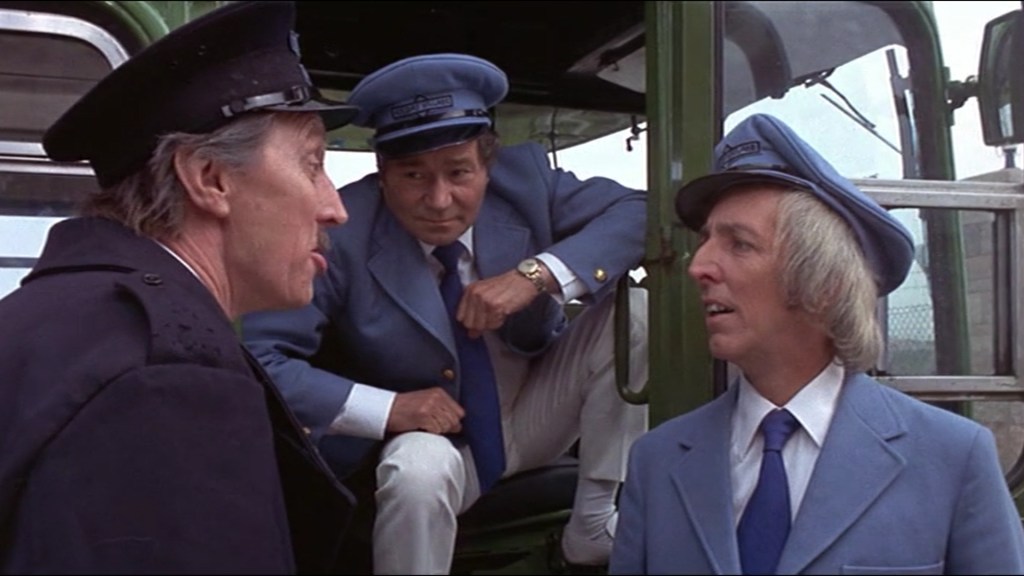
The films tie closely to the TV series by preserving its characters, running jokes, and working‑class setting, even if continuity occasionally shifts. Their enduring appeal lies in this consistency: instantly recognisable personalities, simple comic conflicts, and a nostalgic snapshot of everyday British life. Regular television repeats and home releases have helped On the Buses remain a fondly remembered staple for audiences well beyond its original era.
Documentary: Duration 56 minutes